01
Brief
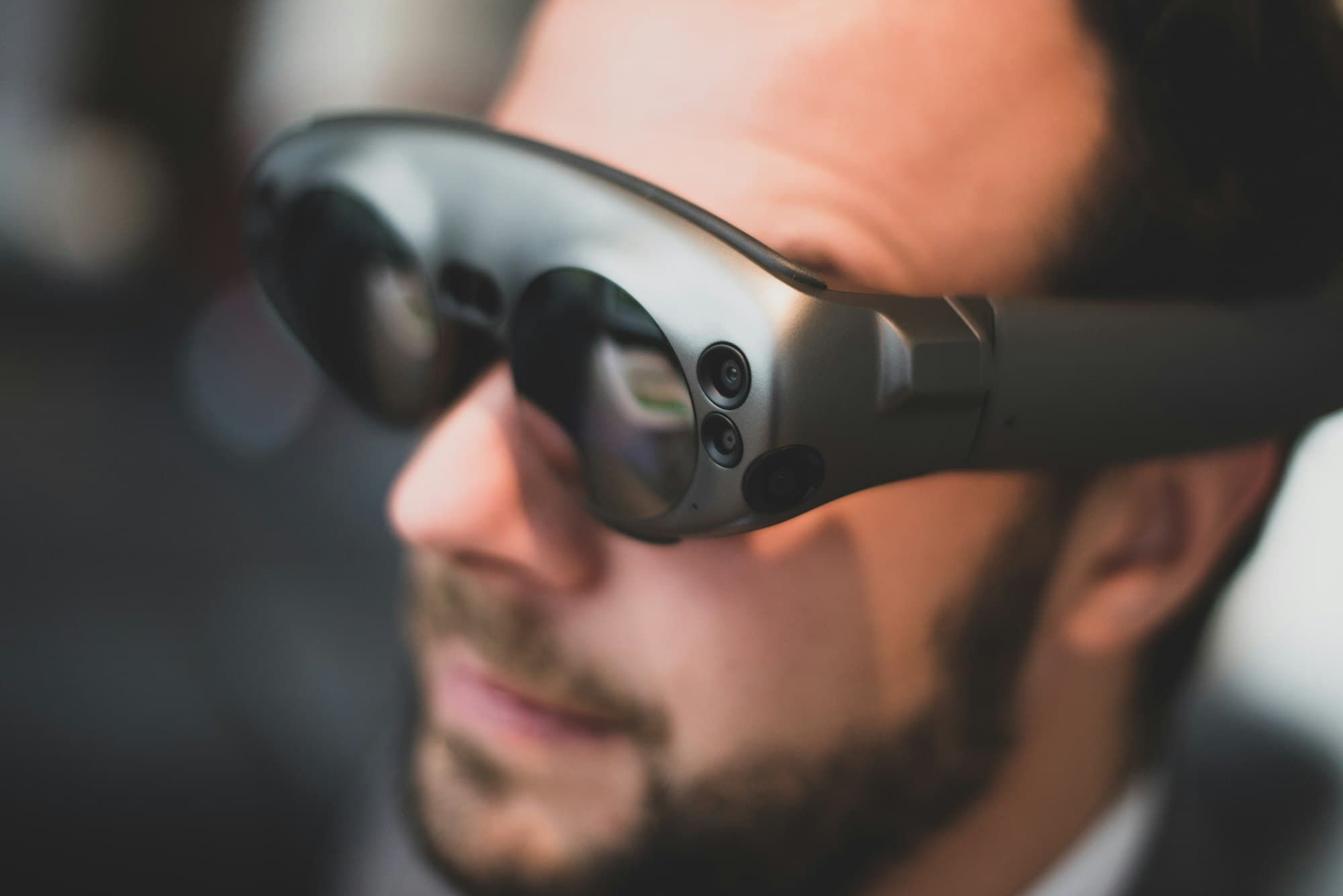
EvenRealities is building an AI-powered operating system for spatial computing, designed for a next-generation AR glasses platform. The Health module sits at the centre of that OS, translating continuous sensor input into the kind of glanceable, ambient feedback a wearer can actually act on. The brief was open: the existing health data was rich, the surface was new, and almost nothing had been validated with users yet.
02
Approach
Working as the consulting UX lead in Shenzhen, I led the module end to end. The work moved through user research with early hardware testers, a competitive sweep across spatial-computing UI conventions, an information architecture for the health domain, and a hi-fi prototype iterated weekly with the engineering team. Two design constraints shaped most decisions: spatial reading distance and battery-friendly motion. Every component was prototyped against both before it reached the deck.
03
Outcome
After three review cycles the prototype was approved by EvenRealities' CDO and CEO for full implementation in the next-generation AR glasses. The visual language we shipped for Health became the baseline pattern set for two adjacent modules now in development. The cinematic background still shapes how I think about story arcs in product flows; in this case it earned its keep in the choreography of the daily briefing view.